Total: AED 0.00
Taxes and shipping calculated at checkout

Sleep apnea is no longer seen as “just snoring.” It is now recognised as a serious sleep-related breathing disorder that can affect energy, heart health, mood, concentration, and overall quality of life.
As awareness continues to grow, the world of sleep apnea treatment is changing quickly. From smarter CPAP devices and wearable screening tools to medication options and alternative therapies, patients today have more ways than ever to understand and manage their sleep health.
Here are some of the biggest sleep apnea and CPAP advancements shaping the future of treatment.
One of the most important developments in sleep apnea care is the growing role of medication-assisted weight management for certain patients with obstructive sleep apnea and obesity.
This does not mean medication replaces CPAP for everyone. CPAP therapy remains one of the most effective and widely used treatments for obstructive sleep apnea. However, for patients whose sleep apnea is strongly linked to weight, medical weight management may become an important part of a broader treatment plan.
This shift shows that sleep apnea treatment is moving beyond airway support alone. Future care may combine CPAP therapy, weight management, lifestyle changes, and medical supervision for better long-term results.
Wearable technology is becoming a major tool in sleep health awareness. Some smartwatches now include features designed to detect signs that may be linked to moderate or severe sleep apnea.
These devices do not replace a medical sleep study, and they cannot diagnose sleep apnea by themselves. However, they can help users notice warning signs earlier, especially people who may not realise they stop breathing, snore heavily, or experience repeated sleep disruptions.
This is important because many people with sleep apnea remain undiagnosed. A simple notification from a wearable device may encourage someone to speak to a doctor, take a sleep test, and start treatment earlier.
Modern CPAP and APAP devices are becoming more patient-friendly. Today’s machines are quieter, more compact, and better at adjusting pressure based on breathing needs during the night.
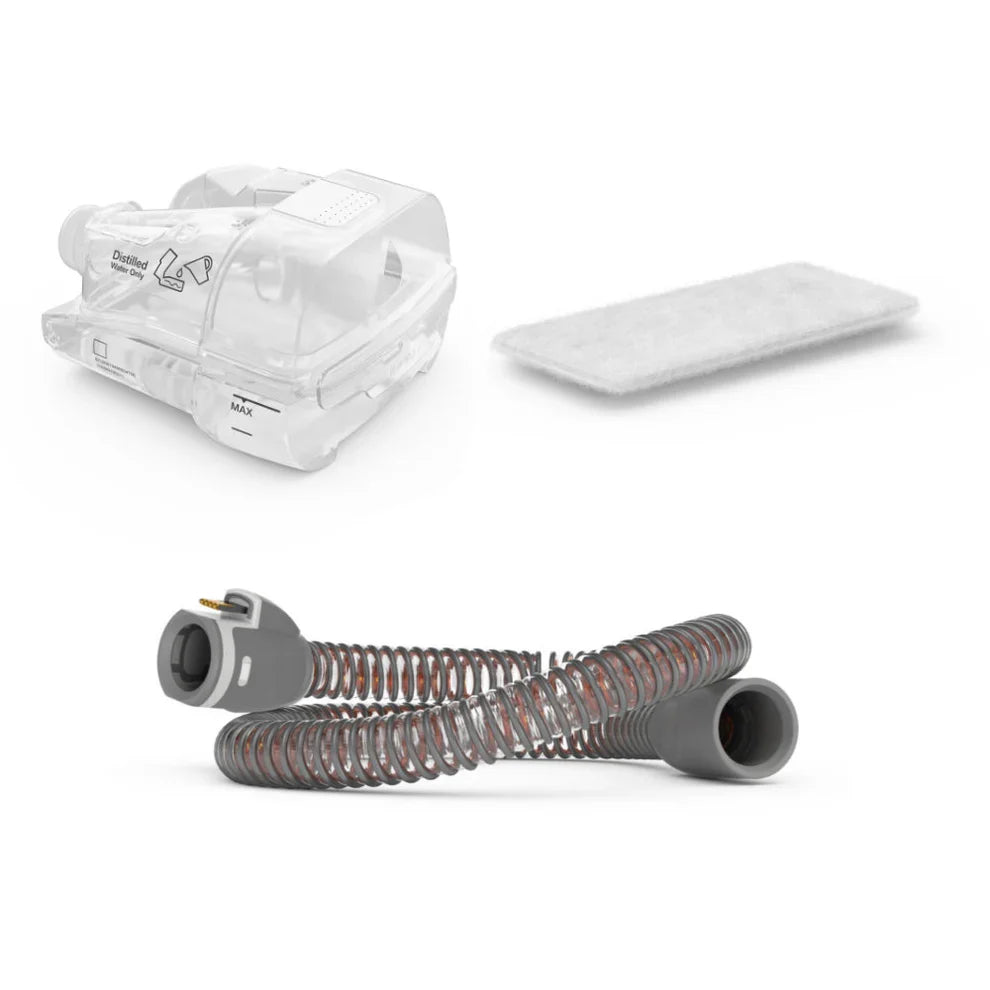
Features such as automatic pressure adjustment, ramp settings, expiratory pressure relief, heated humidification, and heated tubing can make therapy more comfortable and easier to tolerate.
This matters because comfort is one of the biggest reasons people stop using CPAP. A better mask fit, the right pressure settings, and proper humidification can make a major difference in daily use.
For many patients, the future of CPAP is not just about stronger machines. It is about smarter, more personalised therapy that feels easier to live with.
Oral appliances are becoming more popular for people with mild to moderate obstructive sleep apnea, especially those who cannot tolerate CPAP therapy.
These devices are usually fitted by trained dental professionals and work by helping position the lower jaw or tongue in a way that keeps the airway more open during sleep.
They are not suitable for every patient, and they may not be enough for severe sleep apnea. But for selected cases, oral appliances can offer a more portable and less intrusive option.
This is another sign that sleep apnea treatment is becoming more personalised. The best treatment depends on the patient’s severity, anatomy, comfort, lifestyle, and medical history.
Hypoglossal nerve stimulation is an advanced treatment option for certain patients with obstructive sleep apnea who cannot tolerate CPAP therapy.
This therapy uses an implanted device that stimulates the nerve controlling tongue movement. The goal is to help prevent the tongue and airway tissues from collapsing during sleep.
It is not a first-line treatment for most patients, and it requires specialist evaluation. However, it has become an important option for carefully selected patients who need an alternative to traditional CPAP therapy.
As awareness grows, treatments like this show how sleep apnea care is moving toward more individualised solutions.
Sleep health is now a major part of overall wellness. More people are tracking their sleep, paying attention to oxygen levels, improving bedroom environments, and learning how sleep affects weight, heart health, mood, and productivity.
This trend is positive, but it is also important to separate wellness tools from medical treatment. Sleep trackers, supplements, noise machines, and lifestyle changes may support better sleep, but they do not replace proper testing or treatment for sleep apnea.
If someone has loud snoring, choking during sleep, morning headaches, daytime tiredness, or high blood pressure, a sleep test is still the right next step.
The future of sleep apnea treatment is becoming more accessible, more personalised, and more connected to overall health.
For many people, CPAP therapy will remain one of the most effective treatment options. But the future may include a combination of CPAP, weight management, wearable screening tools, oral appliances, implantable therapies, and lifestyle support.
If you think you may have sleep apnea, the most important step is to get tested. With the right diagnosis and the right treatment plan, better sleep can lead to better energy, better health, and a better quality of life.
At CPAP2000, we help customers in the UAE choose suitable CPAP, BiPAP, masks, oxygen devices, and sleep-related solutions with clear guidance and support.
Better sleep starts with understanding the problem — and choosing the right treatment.